-
From Brain to Heart! The Amazing Benefits of Omega-3 & How to ChooseNutrition, Health 2025. 7. 20. 19:36반응형Omega-3: The Power of Essential Nutrients! Discover everything about Omega-3 for modern health, from benefits to intake guidelines, explained simply and engagingly. Don't miss out!
"Omega-3" – if you're health-conscious, you've probably heard this term before. But what exactly is it? And why is it so crucial for our bodies? I used to think it was just some "good fat." But as I delved deeper, I realized Omega-3 is an essential nutrient with truly astonishing benefits! 😊 Today, I want to explore everything about Omega-3 with you. I'll share how it can work wonders for our bodies, smart ways to consume it, and even how to choose the right Omega-3 supplement, all explained easily and enjoyably, drawing from my own experiences!
Omega-3, What Are You? 🤔
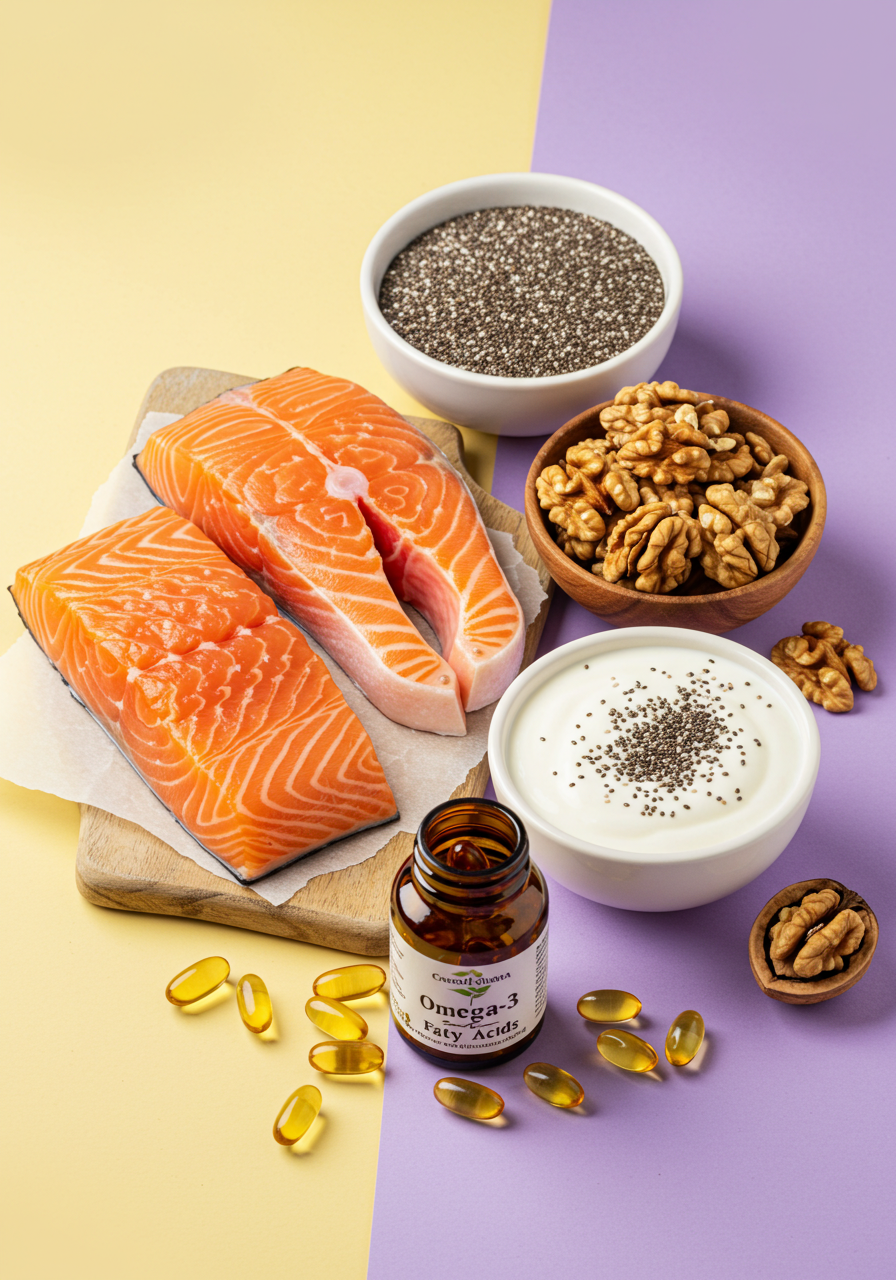
Omega-3 fatty acids are 'essential fatty acids' that our bodies absolutely need but cannot produce on their own. They are mainly found in fatty fish, which is why they're often called fish oil. EPA and DHA are the most well-known types, and they play vital roles in our bodies.
Simply put, Omega-3s are essential nutrients for maintaining overall health, by forming cell membranes, regulating inflammation, and promoting healthy blood circulation.
The Amazing Benefits of Omega-3 ✨
We know Omega-3 is good for us, but what exactly are its benefits? Let's go through the main advantages of Omega-3, along with some of my personal experiences.
- Cardiovascular Health Protector: Omega-3 helps lower triglyceride levels, regulate blood pressure, and improve blood circulation. This can contribute to reducing the risk of cardiovascular diseases like heart attack and stroke. I've definitely felt my circulation improve since I started taking it regularly!
- Brain Function Enhancement and Cognitive Support: DHA is a major component of brain and nerve tissue. It can improve cognitive functions like memory and learning ability and may have a positive impact on preventing dementia. It's also essential for growing children.
- Eye Health Protection: DHA is also a key component of the retina, making it important for maintaining eye health. It can particularly help alleviate dry eye symptoms and contribute to preventing eye conditions like macular degeneration.
- Inflammation Reduction and Immune System Boost: Omega-3 has powerful anti-inflammatory effects. Chronic inflammation can cause various diseases, and Omega-3 helps regulate it, which can alleviate symptoms of autoimmune diseases like rheumatoid arthritis. It also strengthens our immune system.
- Mental Health Support: Research also suggests a positive impact on reducing feelings of depression and anxiety. It can influence brain neurotransmitters, helping with mood regulation.
💡 Good to Know!
Since Omega-3 cannot be synthesized by our bodies, it must be consumed through food or supplements. It's especially easy to be deficient in Omega-3 with a Westernized diet.How to Consume Omega-3! 🍽️
The best way to get Omega-3 is, of course, through food! However, with modern eating habits, it can often be hard to consume enough.
Dietary Intake 🐟
- Fatty Fish: Abundant in mackerel, salmon, tuna, and sardines. It's good to consume them 2-3 times a week.
- Plant-based Foods: Flaxseed, chia seeds, and walnuts also contain Omega-3 in ALA form, but the conversion rate to EPA and DHA is relatively low.
Recommended Omega-3 Intake 📊
The exact recommended intake of Omega-3 can vary depending on age, health status, and lifestyle. However, you can generally refer to the following guidelines.
Category Recommended EPA+DHA Intake (Daily) General Adults 500~1,000mg Individuals at Risk of Cardiovascular Disease Over 1,000mg (after consulting a doctor) Pregnant/Lactating Women 600~1,000mg (prefer higher DHA content) Children Around 20mg per kg of body weight *These figures are general recommendations, and the intake amount may vary depending on individual health conditions or the presence of diseases. It's always best to consult with a professional to adjust your intake!
Smartly Choosing Omega-3 Supplements 💊
If it's hard to get enough from food alone, you might consider supplements. But with so many products on the market, it can be overwhelming to choose, right? Let me tell you the key selection criteria!
- Check EPA + DHA Content: This is the most important! Make sure the combined amount of pure EPA and DHA meets your daily recommended intake. Always check the individual EPA and DHA content, not just the 'total Omega-3' content.
-
Form (TG, rTG, EE):
- TG (Triglyceride) form: Most similar to natural state, high absorption rate in the body.
- rTG (Re-esterified Triglyceride) form: The latest form, with improved absorption and purity. It's more expensive but known to be effective.
- EE (Ethyl Ester) form: A form that arises during the refining process, with the disadvantage of lower absorption.
- Source and Refinement Technology: You need to ensure it's safe from heavy metals and environmental pollutants. Check if it's extracted from small fish (sardines, anchovies) and if advanced refining technologies like low-temperature extraction and supercritical extraction were used.
- Capsule Size and Quantity: If it's too large, it might be difficult to swallow, so choose an appropriate size. Also, check the number of capsules you need to take daily to ensure convenience of consumption.
- Certification Marks: If there's a reliable certification mark like IFOS (International Fish Oil Standards), you can trust it more.
Omega-3, Be Aware of This! ⚠️
Even the best supplements have things to watch out for. Here are potential side effects and precautions when taking Omega-3.
⚠️ Caution!
- Delayed Blood Clotting: High doses can delay blood clotting. If you're scheduled for surgery or taking anticoagulants, you must consult your doctor.
- Gastrointestinal Issues: Some people may experience gastrointestinal issues like abdominal pain, diarrhea, or nausea. In such cases, try taking it during or immediately after meals, or reduce the dosage.
- Fishy Aftertaste: Some fish oil supplements can cause a fishy aftertaste. Choosing enteric-coated products or those with lemon or orange flavors can help.
- Allergic Reactions: If you have a seafood allergy, be cautious when taking Omega-3 supplements.
- Added Vitamin E: Omega-3 is prone to oxidation, so many products contain Vitamin E, which helps prevent spoilage.
Omega-3 Self-Test 🧐
Wondering if you might be lacking in Omega-3? Answer the questions below for a quick check! The more statements you agree with, the more you might consider Omega-3 supplementation.
✅ Question 1
Do you typically eat fish (mackerel, salmon, etc.) less than twice a week?
✅ Question 2
Do you feel your memory isn't as good as before, or do you have trouble concentrating?
✅ Question 3
Do your eyes often feel dry and gritty?
✅ Question 4
Do you have stiff joints or inflammatory conditions (like atopic dermatitis or allergies)?
*This test is for self-assessment only; please consult a professional for an accurate diagnosis.Omega-3: Key Summary Card 📝
Let's summarize the key points about Omega-3 we've discussed so far at a glance!
Omega-3 Key Summary
Essential Nutrient: Cannot be produced by the body, must be obtained externallyMain Benefits: Cardiovascular, brain, and eye health improvement, inflammation reductionRecommended Intake:Adults: 500~1,000mg EPA+DHA dailySupplement Selection Tips: Check EPA+DHA content, prefer rTG form, ensure safe sourcing, look for IFOS certification!Frequently Asked Questions ❓
Q: When is the best time to take Omega-3?A: 👉 Like fat-soluble vitamins, taking Omega-3 immediately after or during a meal helps improve absorption. It's even more effective when consumed with a meal that contains fats.Q: Can vegetarians also consume Omega-3?A: 👉 Yes! There are Omega-3 supplements for vegetarians. You can use Omega-3 supplements primarily focused on DHA extracted from microalgae.Q: What is the difference between Omega-3 and Omega-6?A: 👉 Both Omega-3 and Omega-6 are essential fatty acids, but they play different roles in the body. Omega-6 tends to promote inflammatory responses, while Omega-3 tends to suppress inflammation. The key is their balance. Modern diets often have a too-high ratio of Omega-6, making Omega-3 intake even more crucial.Today, we've thoroughly explored Omega-3, an essential nutrient for our bodies. How was it? I hope Omega-3, which might have seemed complicated, now feels a bit more familiar to you. I sincerely encourage you to pursue a healthy and vibrant life with consistent Omega-3 intake! 😊 If you have any further questions, please feel free to ask in the comments!
반응형'Nutrition, Health' 카테고리의 다른 글