-
Heart Racing? 😥 Hyperthyroidism: From Self-Diagnosis to Management!Nutrition, Health 2025. 7. 18. 19:55반응형Hyperthyroidism Symptoms: Could You Have It? From confusing symptoms to diagnosis and treatment, this article will answer your questions and help you take the first step towards a healthier life.
Have you been feeling your heart race, sweating a lot, or having trouble sleeping lately? 🤔 Do people around you say, "Why are you so sensitive?" and it secretly hurts your feelings? Well, that was me! At first, I just thought, 'Maybe I'm just tired?', but it turned out to be hyperthyroidism. I was truly shocked!
Today, for those of you who, like me, are curious about thyroid health, I'll explain what hyperthyroidism is, what symptoms to look out for, and how to manage it, in an easy and detailed way. Don't suffer alone; let's learn together! 😊
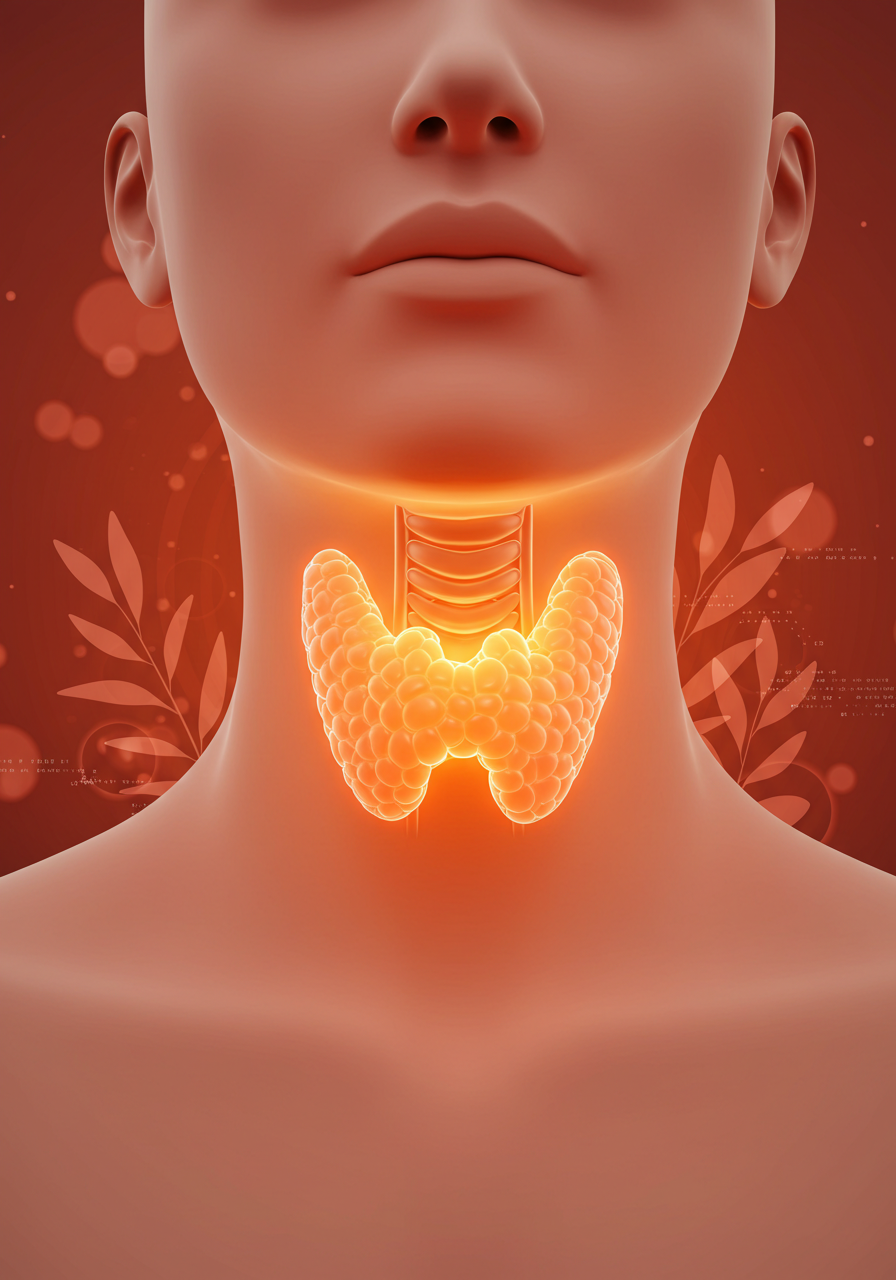
What Exactly is Hyperthyroidism? 🤔
The thyroid is a small, butterfly-shaped endocrine gland located at the front of your neck. It produces thyroid hormones, which play a crucial role in regulating our body's metabolism. Think of it like our body's 'speed control device.'
Hyperthyroidism is a condition where the thyroid gland produces too much thyroid hormone, causing your body's metabolism to speed up excessively. It's like pressing the car's accelerator too hard and overheating the engine.
💡 Good to Know!
Thyroid hormones affect almost every function in our body, including heart rate, body temperature regulation, digestive function, and nervous system activity. That's why an imbalance in hormones can lead to various symptoms!If You Have These Symptoms, You Should Be Concerned! 🚨
Symptoms of hyperthyroidism are very diverse and can vary from person to person. At first, many symptoms are so vague that you might not even realize it's an illness, which is why it took me a while to get diagnosed. If several of the following symptoms apply to you, it's worth considering a visit to the doctor.
- Heart-related symptoms: Palpitations, rapid heartbeat (tachycardia), arrhythmia
- Weight changes: Weight loss or maintenance despite a strong appetite
- Skin and sweat: Excessive sweating, skin that feels moist and warm
- Nervous system symptoms: Anxiety, restlessness, irritability, tremors in hands, insomnia
- Digestive system symptoms: Diarrhea or frequent bowel movements
- Eye symptoms: Protruding eyes, gritty sensation, blurred vision (thyroid eye disease)
- Other symptoms: Muscle weakness, hair loss, irregular periods, etc.
⚠️ Caution!
These symptoms can also appear in other conditions, so it's important to consult a doctor for an accurate diagnosis and tests rather than self-diagnosing.Self-Diagnosis Test: Do I Have Hyperthyroidism? 🧐
If you read the symptoms above and thought, 'Hmm, that sounds a bit like me?', you can try a simple self-diagnosis test. Of course, an accurate diagnosis is only possible at the hospital, but this can help you gauge if your symptoms are severe enough to warrant a visit.
Hyperthyroidism Self-Diagnosis Checklist
1. Have you been consistently losing weight recently, despite eating well?(e.g., your food intake is the same, but your weight is unintentionally decreasing)
2. Do you often feel your heart beating irregularly or rapidly?(e.g., your heart pounds even when you're resting, and you feel anxious)
3. Do you sweat more than usual and feel more sensitive to heat?(e.g., you sweat excessively or feel hot even when others are comfortable)
4. Do you often feel irritable or anxious over small things, and have trouble sleeping?(e.g., you get easily upset or have frequent nights where you can't fall asleep)
If two or more of the above 4 questions apply to you, it's a good idea to visit a hospital for a precise examination. Especially if you're experiencing severe heart palpitations or significant weight loss, please see a doctor!
How to Treat and Manage Hyperthyroidism? 🩺
Don't worry too much if you've been diagnosed with hyperthyroidism. You can maintain a healthy life with appropriate treatment and management.
- Medication: This is the most common method, involving taking medications that suppress thyroid hormone production. Consistent medication is really important!
- Radioactive Iodine Therapy: This treatment may be considered if medication isn't effective or if the condition recurs.
- Surgery: This involves partially or completely removing the thyroid gland and may be necessary in specific cases.
Alongside treatment, lifestyle management is also crucial. Reducing caffeine intake, managing stress effectively, and maintaining a regular lifestyle can be helpful.
FAQs: Your Questions Answered! ❓
Q: Is hyperthyroidism hereditary?A: The risk of developing it can increase if there's a family history, but it's not necessarily directly inherited. If you have family members with thyroid conditions, consider regular check-ups.Q: Does diet affect hyperthyroidism?A: Specific foods are not direct causes, but they can influence the body's immune system and overall health. Particular attention should be paid to iodine intake; excessive iodine can worsen thyroid function, so it's best to consult a professional for adjustment.Q: Can it be cured completely?A: Hyperthyroidism symptoms can be managed, and normal hormone levels maintained through treatment. However, if Graves' disease, an autoimmune condition, is the cause, there's a possibility of recurrence, so consistent management is important.Key Takeaways from This Article 📝
You've probably learned a lot about hyperthyroidism. Let me summarize the key information I've shared today.
- What is Hyperthyroidism? It's a condition where excess thyroid hormones are produced, leading to an accelerated metabolism.
- Main Symptoms: Various symptoms can appear, including palpitations, weight loss, increased sweating, anxiety, insomnia, and hand tremors.
- Diagnosis and Treatment: Self-diagnosis is insufficient; accurate diagnosis by a doctor and appropriate treatment (medication, radioactive iodine, or surgery) are necessary.
- Lifestyle Management: Consistent medication, stress management, and regular lifestyle habits are important.
Hyperthyroidism is a condition that should not be taken lightly, but there's no need to be overly afraid. Just like I did, you can continue to lead a healthy life with consistent management and professional consultation. I truly wish you good health! If you have any more questions, please feel free to ask in the comments! 😊
반응형'Nutrition, Health' 카테고리의 다른 글